
- This event has passed.
Engineering Tissues Layer by Layer: 3D Bioprinting with Bioinspired Nanomaterials
10 July 2025 @ 15:40 - 17:00
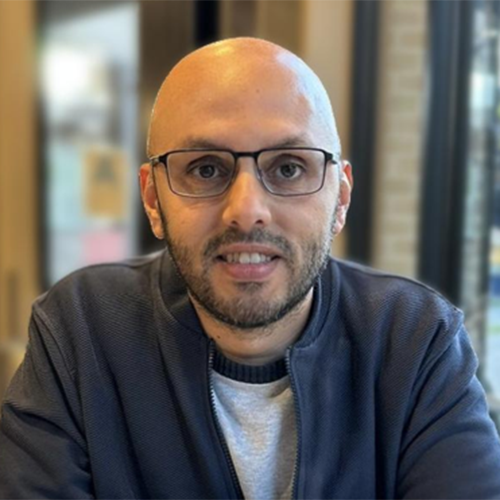
Ahmad Rashad Elsebahy
1- Center of Translational Oral Research, Department of Clinical Dentistry,
University of Bergen, Norway.
2- Bioengineering Graduate Program, University of Notre Dame,
Notre Dame, Indiana, United States.
3- Terasaki Institute for Biomedical Innovation, Los Angeles,
California, United States.
Despite significant advances in science and technology, we are still unable to fully overcome simple medical conditions like tooth cavities and bone fractures, not to mention more serious diseases. To achieve true healing, there is a growing need to shift the current medical paradigm toward regenerative strategies that can restore both the structure and function of native tissues. However, living tissues are inherently sophisticated structures, composed of multiple cell types embedded within multiscale, multi-material composites precisely organized in layers to perform specific biological and mechanical functions. These natural matrices range from the nanoscale, where molecules self-assemble into functional architectures, all the way to centimeter-scale tissues, as seen in human bones or plant structures like trees. Bones and trees have remarkable structural and molecular similarities. At the nanoscale, the helical arrangement of collagen fibrils in bone closely resembles the arrangement of cellulose fibers in wood. Both structures are optimized to withstand mechanical stress. This structural-functional complexity presents both a challenge and blueprint for developing advanced tissue engineering strategies. Achieving such structural and functional fidelity requires advanced fabrication technologies, such as 3D bioprinting, which enables the accurate positioning of bioinks composed of diverse cells, biomaterials, and biologics in layer-by-layer architectures that closely recapitulate the native tissue environment.
This lecture will highlight some of my previous work on the integration of extrusion-based bioprinting with bioinspired nanomaterials, specifically cellulose nanofibers and nanohydroxyapatite, to fabricate scaffolds that replicate the architecture of both compact and spongy bone tissues. Following comprehensive in vitro and in vivo biocompatibility studies, nanocellulose with varied surface chemistries was employed to fine-tune nanostructured, multi-material inks derived from a diverse library of biopolymers, including gelatin, gelatin methacryloyl, alginate, fibrin, polyesters, and polycarbonates. In formulations where human mesenchymal stromal/stem cells were incorporated into hydrogel precursors and printed to mimic bone extracellular matrix, nanocellulose imparted exceptional shear-thinning properties, effectively overcoming the rheological limitations associated with nanoceramic printing. To address the mechanical weakness of printed hydrogels and better emulate the load-bearing nature of compact bone, a modified 3D printing strategy using thermoplastic polymers with bone-inspired designs was employed. These thermoplastic scaffolds were further coated with nanocellulose or magnesium-doped nanohydroxyapatite to enhance cellular integration and biological performance.
Finally, the lecture will discuss opportunities to integrate 3D printing technologies for tissue engineering and personalized medicine into UNAM’s research and entrepreneurial initiatives, with the aim of advancing these innovations toward clinical application and achieving meaningful real-world impact.
About speaker
Dr. Ahmad Rashad Elsebahy is a dentist and tissue engineering researcher dedicated to bridging clinical needs with cutting-edge regenerative medicine. He is currently a Senior Researcher at the University of Bergen’s Tissue Engineering Group in Norway, and also holds research affiliations with the Terasaki Institute for Biomedical Innovation (USA) and the University of Notre Dame’s Bioengineering Program (USA). Dr. Ahmad Rashad is a graduate of Alexandria University’s School of Dentistry in Egypt. He practiced dentistry for six years, including a year-long residency in oral surgery, before transitioning to tissue engineering research. His career has spanned three continents, beginning with a Master’s in Biomaterials Science between Alexandria and Lehigh (USA) Universities, where he engineered nanoporous bioactive glass scaffolds. In Japan at Nagasaki Dental School, he developed regenerative dental nanomaterials, followed by a PhD at the University of Bergen (Norway) focusing on 3D bioprinting stem cells in nanocellulose hydrogels. During his postdoc in Norway, he established the group’s biofabrication platform, secured over €4 million in grants, co-founded Bergen’s first clinical startup for 3D-printed bone implants, and patented several novel bone tissue engineering scaffolds. At the Terasaki Institute and Notre Dame, his research expanded into personalized medicine, shear-thinning nanomaterials, biosensors, microfluidics, bioethics, and stem cell–based bioprinted scaffolds for diabetic wound healing using cell-derived exosomes. With 40+ publications, mentorship of 6 PhD and 3 Master’s students, and co-founding a MedTech startup, Dr. Ahmad Rashad exemplifies the fusion of clinical insight, bioengineering innovation, and translational vision to advance the future of regenerative therapies